

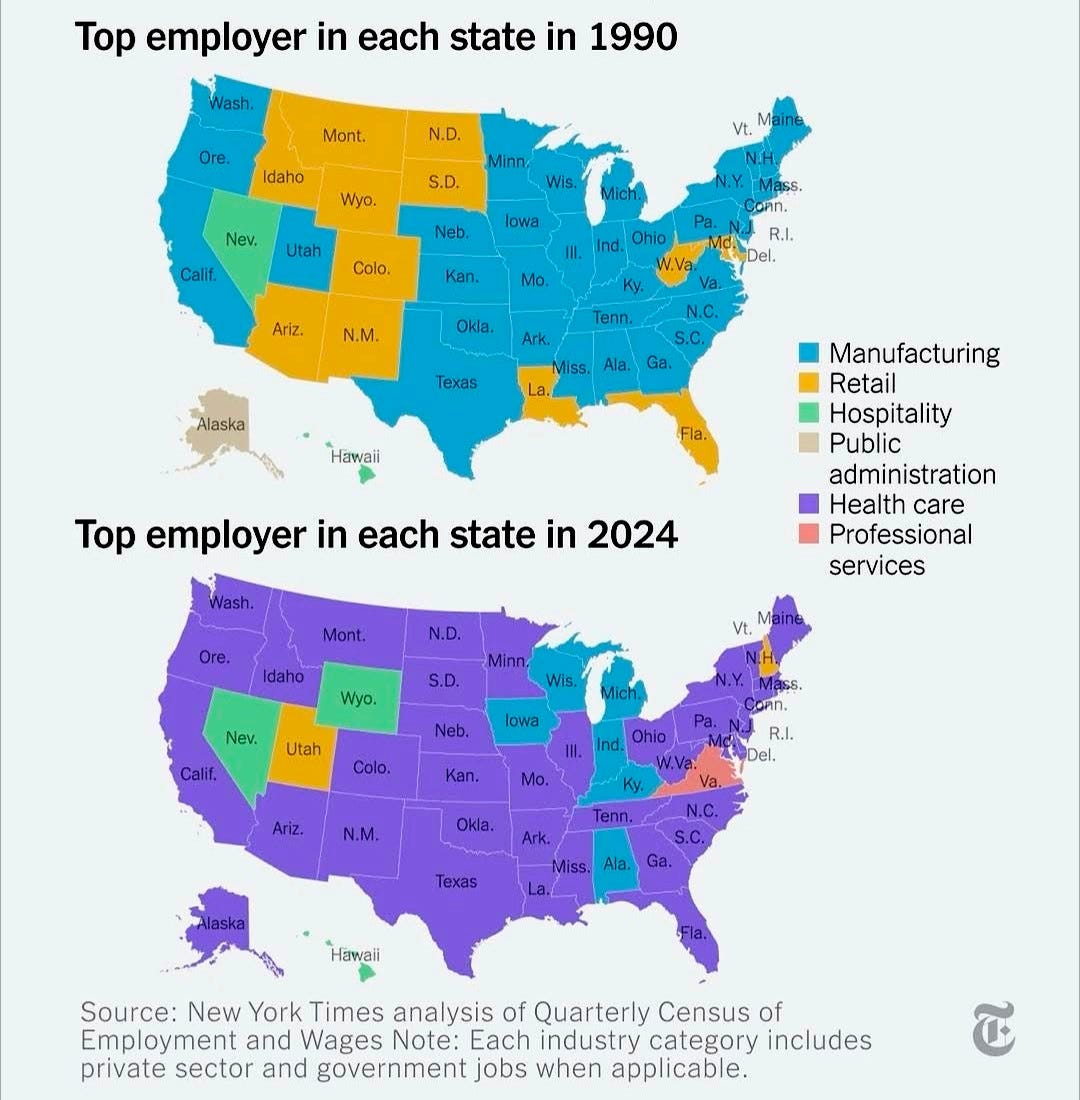
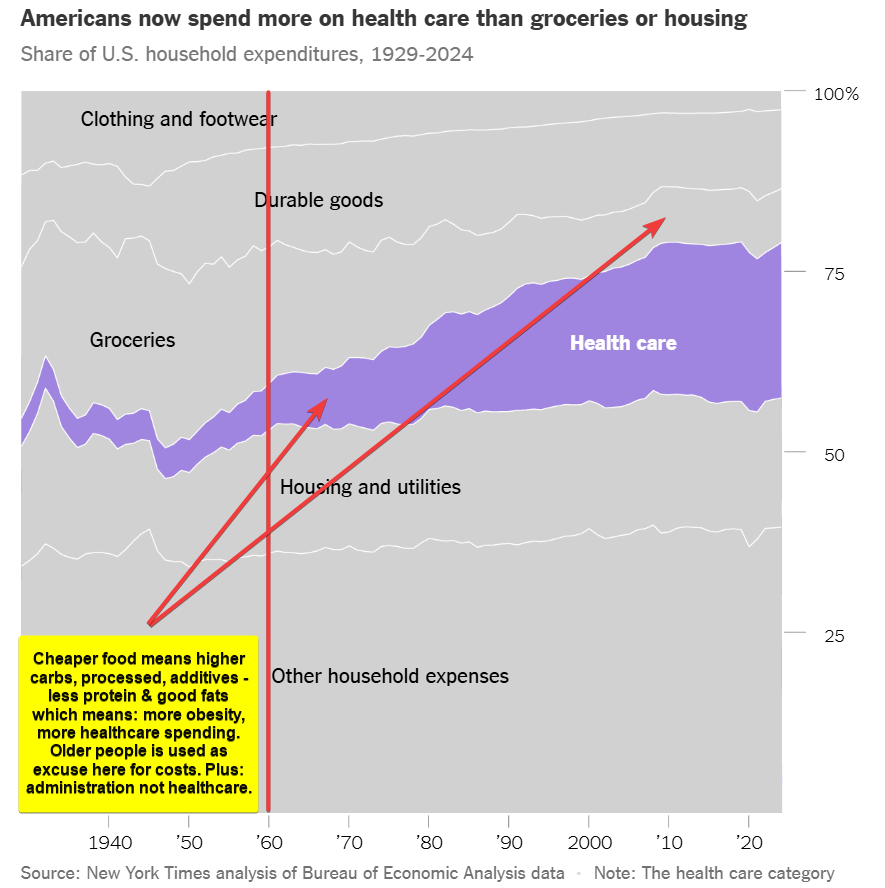
USA: Less Healthy, Less Manufacturing Dominance, More Costly Healthcare
If health care was producing the results, maybe. But we know that isn't occurring. Since 2000, we gutted manufacturing. Now all the Wall Street hustlers want is AI & Datacenters.

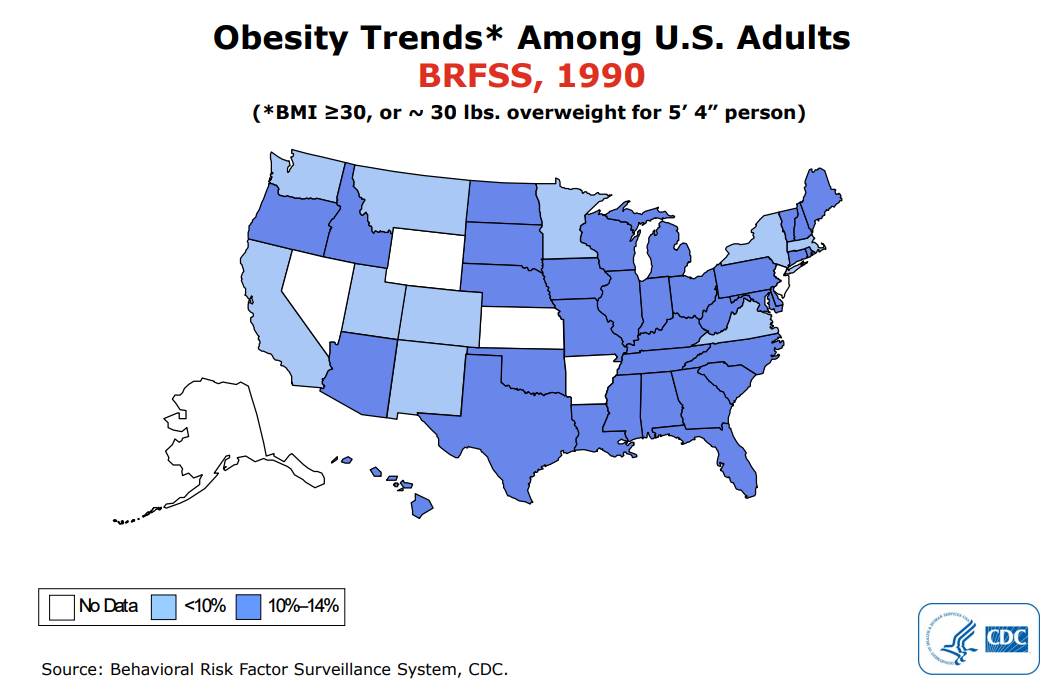
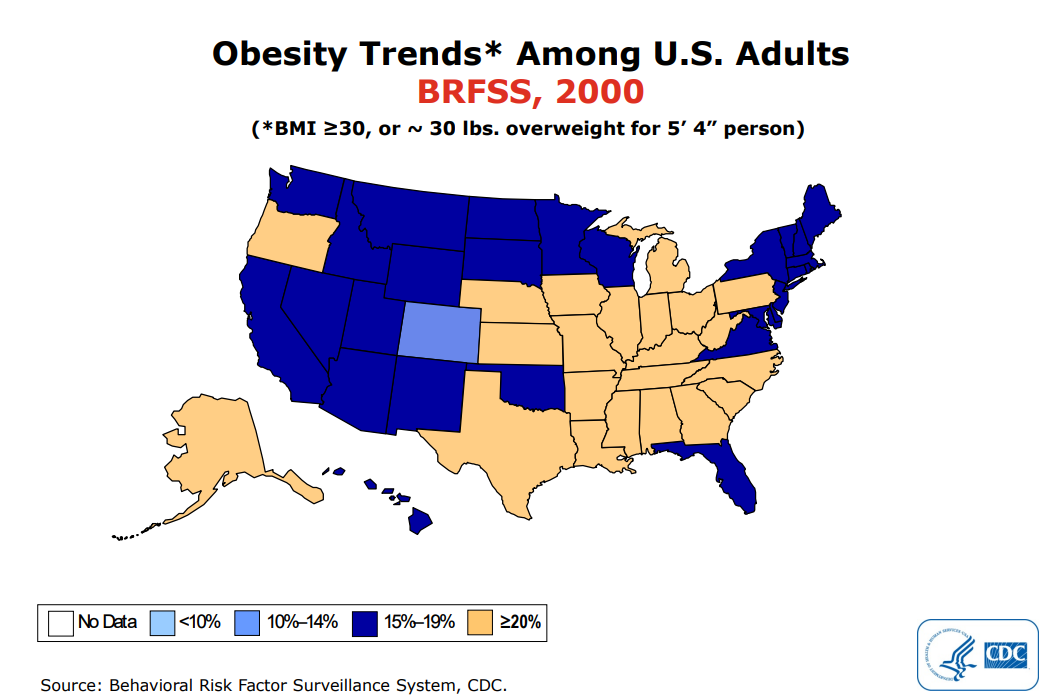
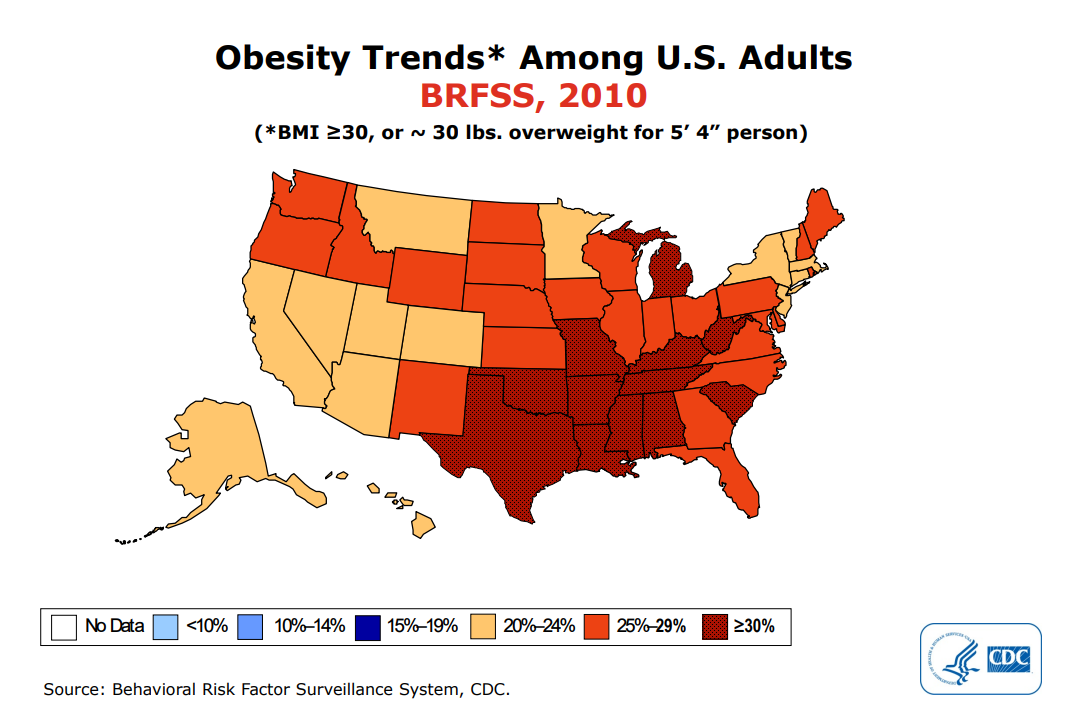
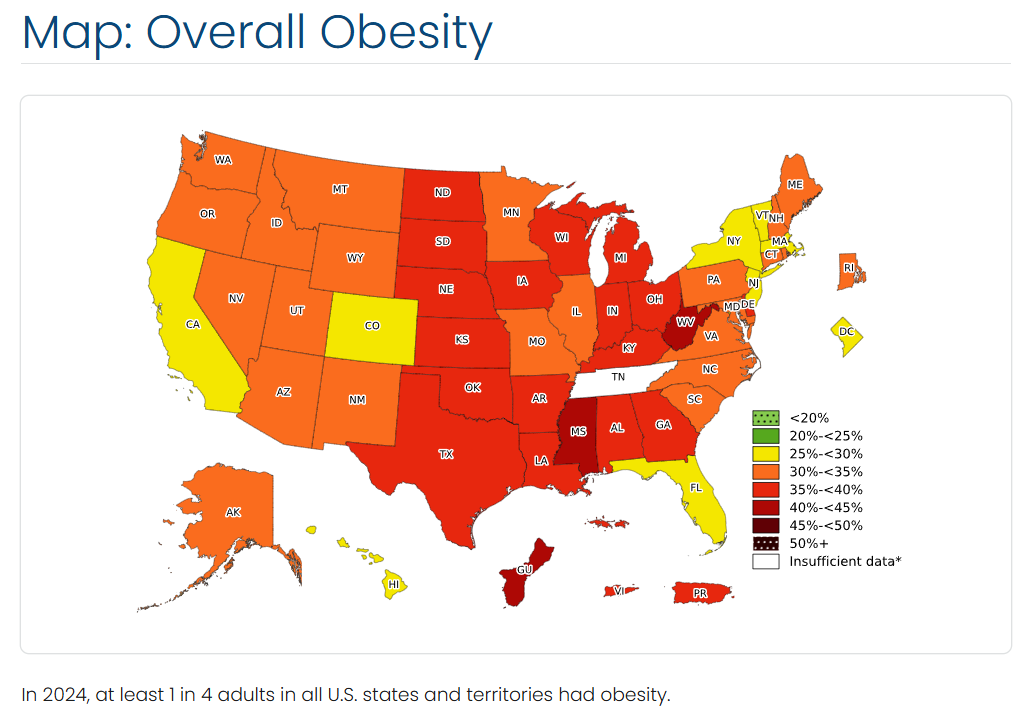
Healthiness as Measured by the CDC by year
[My note: Greater obesity rates would correspond to less healthiness. Higher risk for diabetes, heart issues, certain types of cancers….overall addiction (food and drugs that increase metabolic issues.]
The Times did their summary as well of the rise of health care:
Although some policymakers emphasize the economic importance of manufacturing because it generates goods that can be exported to other countries, health care services are also exported. Foreigners come to U.S. hospitals for specialty procedures, foreign students study at U.S. medical schools, and drugs that go through U.S. clinical trials are sold worldwide.
My emphasis.
The minimal adds to exports on healthcare - and drug trialing - is a cope. But the desire to bring in more foreign doctors, with lowered criteria to be a qualified doctor or nursing applicant, has been noted elsewhere. (One can go do their own research on that topic.) Even if healthcare, as a growing portion of domestic spending or exported service was a personal desire, the negatives, including reduction in life expectancy, do not match the emphasis - dollars spent.
Obesity has been trending for decades in the wrong direction. And what happens with decades of overweight people - they get more chronic illnesses, less mobile, less physically capable. (And yes, I know this trek personally….though I’ve shed about 40 pounds in the past year. Fasting - helps.)
Finally, The New York Slime Times, never fall to add in a jibe on the Republicans -because liberals love their healthcare as (California, Colorado, New York, Massachusetts, Hawaii, DC will be mentioned as Democrat wins). The Slimes posited on the wonders of healthcare:
The Senate version of the [2025] Republicans’ large tax and spending bill, along with other changes by the Trump administration, would result in about 17 million fewer people having health insurance in 2034. Although people without health insurance tend to require more emergency care because they aren’t able to afford preventative visits, it’s not clear how those costs would be absorbed elsewhere. And those may not be the only cuts: The White House has also called for reductions in federal funding for medical education and research, which could constrict the supply of newly trained workers.
Health care is also getting somewhat more efficient. Many procedures can now be conducted on an outpatient basis. Recent pharmaceutical advances, such as diabetes medications that are now widely used for weight loss, appear likely to reduce the prevalence of chronic conditions related to obesity.
And artificial intelligence may be able to cut down on the 20 percent or so of health care employment that is administrative. Some of the tasks that currently burden doctors, nurses and radiologists could also be done more quickly with A.I. [My emphasis.]
David Cutler, a health care economist at Harvard University, cautions that while more people will be needed to deliver care in the future, the industry shouldn’t be seen as a jobs program. Costs have been rising for decades, placing a larger and larger burden on taxpayers and businesses — and to the extent possible, those resources should be redirected to other parts of the economy.
“Any person who’s employed in health care who we don’t need to be employed in health care, that’s a waste,” Dr. Cutler said. “That’s money in health care that costs people money when they’re sick, and that’s a person who could be doing a job somewhere else.”
Sources:
https://www.cdc.gov/obesity/data-and-statistics/adult-obesity-prevalence-maps.html
https://stacks.cdc.gov/view/cdc/81474/cdc_81474_DS1.pdf?
https://www.nytimes.com/interactive/2025/07/03/business/economy/healthcare-jobs.html